What Are Healthy Snacks?
· 7 minute read
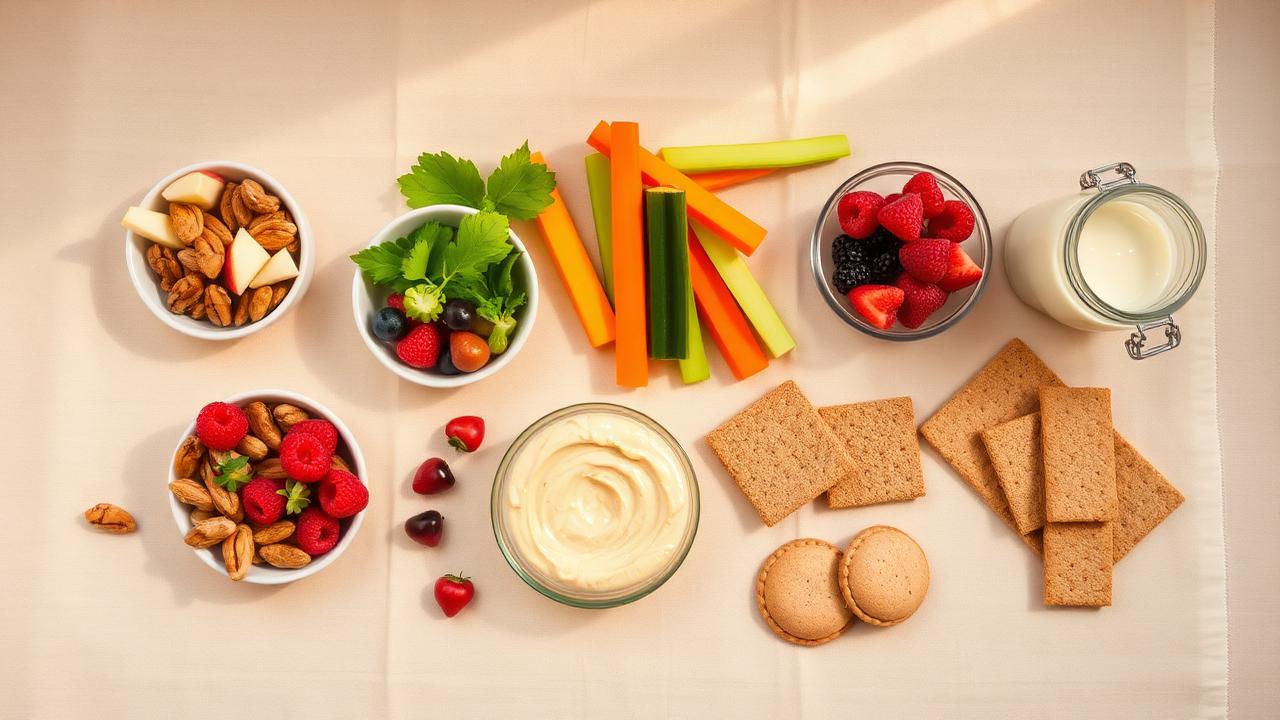
A healthy snack is a small, mostly unprocessed portion of food that pairs protein, fibre or healthy fat with some carbohydrate, so it steadies your energy between meals instead of spiking and crashing it. That is the whole rule — everything below is just how to apply it in a real kitchen, at a real desk, with real children asking for something at four o'clock.
The three-part test for a healthy snack
Before you decide whether something counts, run it through three quick questions. If it passes at least two, it is a good everyday snack. If it passes none, treat it as an occasional pleasure rather than a habit.
- Does it contain protein, fibre or healthy fat? These three slow digestion and are what actually make a snack filling. Sugar alone does not.
- Is it close to its original food? A handful of nuts, a boiled egg, fruit, or something baked at home from flour, milk and eggs is closer to real food than a bar with twenty-five ingredients.
- Is the portion decided in advance? Portion is the difference between a snack and a second dinner. Serve into a bowl; never eat from the bag.
Healthy snack examples that actually keep you full
- Protein-led: boiled eggs, Greek yoghurt, cheese cubes, roasted chickpeas, leftover grilled chicken, suya strips.
- Fibre-led: apple or pear slices, carrot and cucumber sticks, popcorn, wholegrain crackers, garden eggs, dates.
- Healthy fats: almonds, cashews, groundnuts, walnuts, avocado on wholegrain toast, coconut chunks.
- Balanced pairs: fruit plus nuts, yoghurt plus berries, crackers plus cheese, plantain chips plus groundnuts.
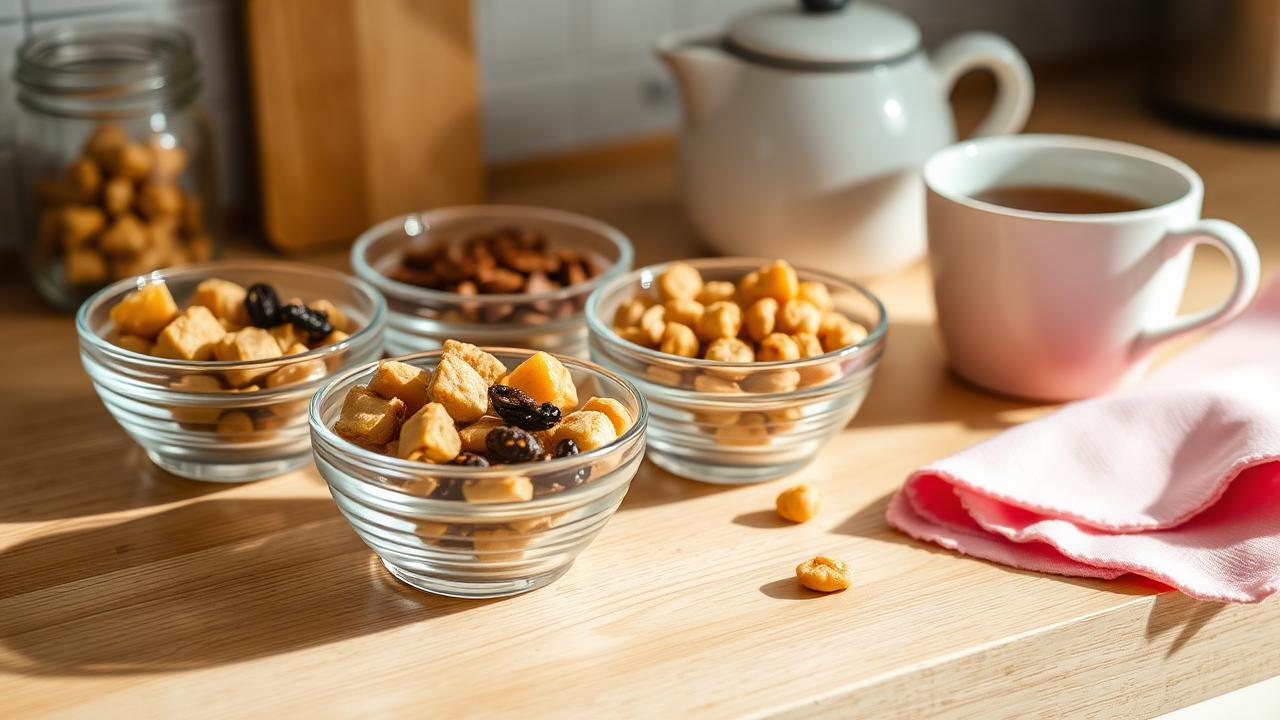
- Measured treats: a 30 g handful of chin chin, one small doughnut, two squares of dark chocolate — enjoyed on purpose, not absent-mindedly.
How much is a snack, really?
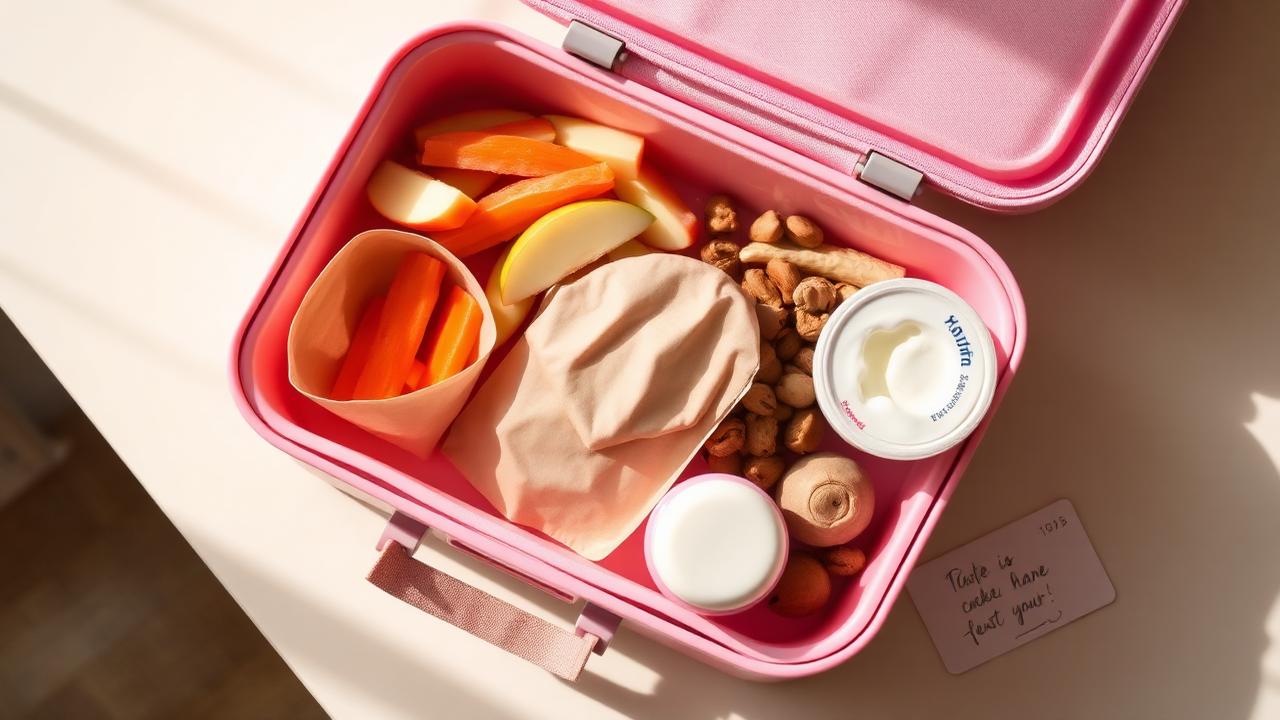
For most adults, 150–250 calories is the sweet spot between meals; 300–400 if you are training hard or facing a long gap. In practical terms that is a small handful of nuts, a pot of yoghurt with fruit, two boiled eggs, or a cupped handful of a fried or baked treat. Portion into a small bowl or pouch first, then put the container away — this one habit does more for snacking than any ingredient swap.
Where homemade Nigerian snacks fit
Traditional Nigerian small chops are often written off as junk, which is unfair and imprecise. Chin chin is made from flour, milk, egg, a little sugar and nutmeg — recognisable ingredients, no preservatives, no artificial colour. Puff puff, meat pies and samosas carry real protein and carbohydrate. What matters is the portion and what you pair them with: a small pouch of chin chin next to an apple and a glass of water is a perfectly sensible afternoon snack; the same chin chin eaten by the bowlful in front of a screen is not.
Homemade also means you know exactly what went in. We fry in small batches, so nothing sits in a warehouse for months, and each pouch is sealed the same day it is made.
Building a week of easy snacks
- Portion nuts and dried fruit into small bags on Sunday.
- Boil half a dozen eggs and keep them in the fridge.
- Wash and cut carrots, cucumber and peppers into a sealed box.
- Keep one shelf-stable treat — like a sealed pouch of chin chin — in your bag.
- Drink water first: thirst is regularly mistaken for hunger.
Snacks to keep occasional
Sugary drinks, sweets, most "healthy" cereal bars (frequently sugar with a marketing budget), and anything eaten straight from a family-size bag. None of these are forbidden; they simply do not do the job a snack is meant to do, which is to carry you comfortably to your next meal.
So if you have been searching what are healthy snacks for your family, the answer is less about a magic list and more about balance, portioning and real ingredients — which is exactly how we bake and fry every batch.
Frequently asked questions
- What are healthy snacks?
- Healthy snacks are small, minimally processed portions of food that supply protein, fibre or healthy fats along with some carbohydrate, so they keep you full between meals instead of causing a sugar spike and crash. Nuts, fruit with yoghurt, vegetable sticks with hummus, boiled eggs and a measured handful of a homemade baked or fried treat all qualify.
- How many calories should a snack be?
- For most adults a snack of roughly 150–250 calories bridges the gap between meals well. If you are very active or the gap between meals is long, 300–400 calories with a solid protein source works better.
- Are homemade snacks healthier than store-bought?
- Usually yes, because you control the sugar, salt, fat and portion size, and there are no preservatives or artificial colours. Homemade still needs sensible portions — 'homemade' does not mean 'unlimited'.
- Is chin chin a healthy snack?
- Chin chin is a treat snack: it is made from flour, milk, egg, a little sugar and nutmeg, then fried. Eaten as a measured handful — around 30 g — alongside fruit or nuts, it fits comfortably into a balanced day. Eaten straight from a large bag while distracted, any snack becomes too much.
- What are the best healthy snacks for kids?
- Fruit slices, cheese cubes, yoghurt, wholegrain crackers, boiled eggs, popcorn and small portions of homemade baked goods. Pair something sweet with a protein so energy lasts through the afternoon.
- What snacks should I limit?
- Snacks that are mostly refined sugar or refined starch with nothing else — sweets, sugary drinks, most cereal bars marketed as healthy, and large bags of crisps eaten without portioning.
This guide is general information, not medical or dietary advice. Speak to a qualified dietitian or your doctor about your individual needs.
Snack with real ingredients
Small-batch chin chin and party snacks made from flour, milk and eggs — sealed fresh and portioned for sensible snacking.